

Provenance Pitfalls: 5 Common Mistakes Match-Worn Boot Collectors Make

Paperwork Makes Provenance, Not Promises
Let’s be honest — everyone wants to believe the story. “Worn by Ronaldo in the Champions League” sounds irresistible… until you dig into the details. In the world of football memorabilia, the difference between authentic and almost-authentic can be worth thousands.
At BC Boots UK, we’ve seen it all: vague claims, questionable “certificates,” and boots that somehow belonged to three different players. Provenance isn’t just paperwork — it’s proof. Here’s how to avoid the most common mistakes collectors make when chasing football history.
⸻
Taking a Seller’s Word at Face Value
A confident story doesn’t equal authenticity. Some sellers use phrases like “believed to be worn” or “from a trusted source” — which sound reassuring but mean absolutely nothing without evidence.
Red Flag: Vague claims without accompanying documentation.
Smart Move: Always ask for how the seller obtained the boots — not just where from.
⸻
Confusing ‘Player-Issued’ with ‘Match-Worn’

This is a classic slip-up. A pair made for a player isn’t necessarily worn by them. Issued boots can be valuable, but calling them “match-worn” without evidence crosses into fiction.
Collectors who don’t understand the distinction often overpay — sometimes dramatically.
Remember: issued pairs tell you who they were made for; worn pairs tell you what they witnessed.
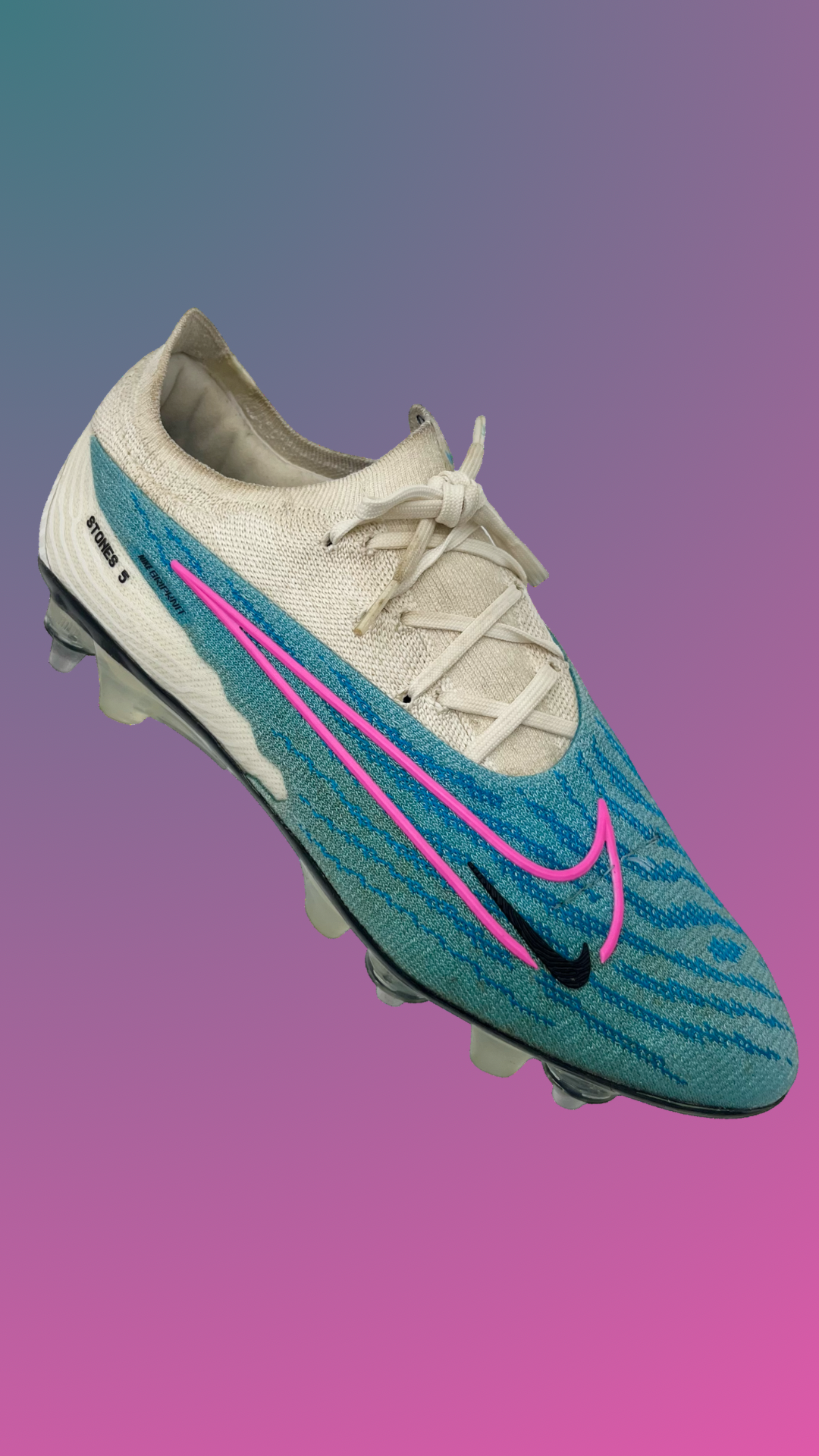
When comparing Match-Worn vs Player-Issued Boots the details are crucial.
⸻
Relying on Photos Alone
Photos can be helpful — but they’re rarely conclusive. Unless the image clearly shows the exact boot (specific scuff, mark, or stitch) and comes from a verifiable match, it’s not proof; it’s suggestion.
Even player handovers can be tricky — players sometimes sign or gift boots post-match that weren’t actually worn.
Lesson: A photo helps, but it’s only one piece of the provenance puzzle.
⸻
Ignoring the Source Chain
Collectors often stop verifying once they see a certificate — but that’s like buying a Picasso because someone typed “Picasso” on paper. The key is understanding who issued the authentication and how close they were to the original source (player, club, or brand rep).
Ask:
• Who authenticated this, and what’s their connection?
• Is it a professionally COA or a generic “memorabilia” certificate?
• Is there a direct chain of custody?
A solid source chain should read like a story — not a mystery novel.
⸻
Skipping Professional Verification

Finally, the biggest mistake: not getting a second opinion.
A quick professional review from a trusted dealer or authentication expert can save thousands. At BC Boots UK, every pair we handle goes through meticulous checks — pattern matching, serial inspection, and cross-referencing against known player issue details.
When in doubt, don’t buy stories. Buy evidence.
⸻
Bonus Tip: Trust, But Verify
Even if you trust the seller, always verify the claim. Reputable collectors and dealers expect smart questions. In fact, it’s a sign you know what you’re doing — and serious sellers respect that.
⸻
Provenance Is Power
In the memorabilia world, provenance isn’t paperwork — it’s currency. It protects your investment, builds your collection’s credibility, and preserves the legacy behind every boot.
At BC Boots UK, we believe transparency builds trust. Every item we offer is backed by robust provenance and expert verification, so collectors can buy confidently — no detective work required.
Browse our authenticated collection of match-worn and player-issued boots – each pair with verified provenance and a story you can stand behind. View the catalogue.



Leave a comment